Required Elements of the Funeral Liturgy

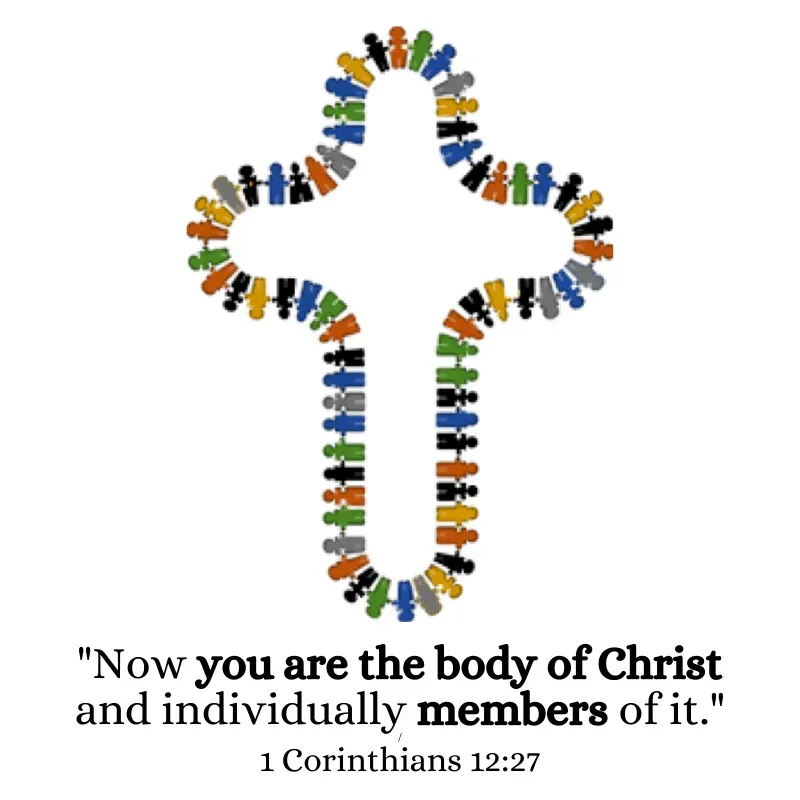
"… When a member of Christ's Body dies, the faithful are called to a ministry of consolation to those who have suffered the loss of one whom they love... The Church calls each member of Christ's Body – priest, deacon, and layperson – to participate in the ministry of consolation: to care for the dying, to pray for the dead, to comfort those who mourn… The community's principal involvement in the ministry of consolation is expressed in its active participation in the celebration of the funeral rites, particularly the vigil for the deceased, the funeral liturgy, and the rite of committal.”
Thus the Funeral Liturgy of the Catholic Church is not the personal prayer of the family of the deceased. The Funeral Liturgy is an official, public prayer of the Church for the immortal soul of the deceased and for the consolation of those loved ones left behind.
In the celebration of the funeral rites, family and/or friends of the deceased may serve as gift bearers, readers, singers, and, if they are already commissioned to do so at SMM Parish, as Extraordinary Ministers of Holy Communion. In addition, the family is encouraged to assist the parish ministers in planning the funeral rites: in the choice of readings from the prescribed scriptural texts and in the selection of music appropriate for the rites.
As Catholics we believe the human body is the temple of the Holy Spirit and should be reverently honored in death. The Church earnestly recommends that the pious custom of burial be retained; but it does not forbid cremation, unless this is chosen for reasons which are contrary to Christian teaching" (Canon 1176.2.3). The cremains must be buried or entombed.
The Order of Christian Funerals is divided into three sequential rites which should occur at every Funeral:
- The Vigil for the Deceased
- The Funeral Liturgy
- The Rite of Committal
In these three sequential rites the Church offers to those who are mourning a way to prepare themselves spiritually and emotionally, to say their goodbyes. More and more Catholics are eliminating one or more of these three rites. Except in extraordinary circumstances this should not be the case. The burial of the body or cremains should take place in a reasonable time after death has occurred. The prayer of the Church is seen as a timely way to say farewell and to offer prayers for the immortal soul of the deceased. To delay the Rites of Christian Burial simply for convenience is inappropriate.